
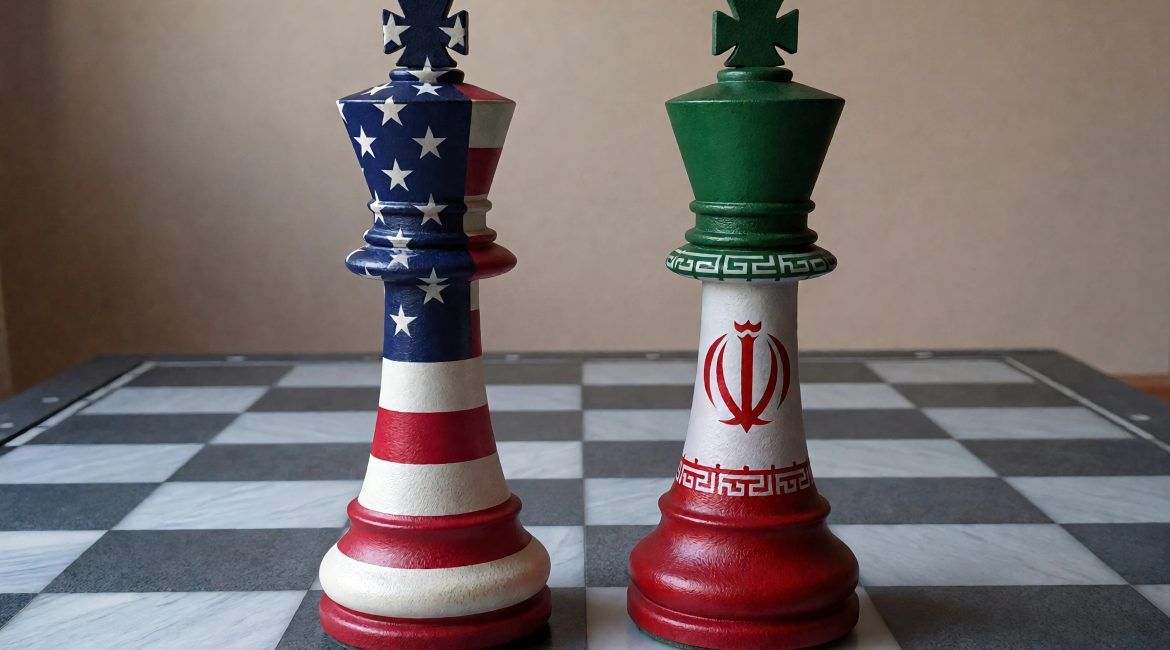
Between negotiating with Iran and striking it militarily, the latter prevailed and the Israeli offensive preceded American hesitation. The region stands on the edge of a transitional phase that could reshape the balance of power that has governed it since 1979. The question in the Middle East today is no longer whether Iran will change, but how, when, at what cost, and what will follow this change. This transformation, if it occurs, will not only raise the issue of the decline of Iran's role, but will also raise a parallel question: Will it open the door to peace, or will it replicate the conflict with new tools?
Amid the bombing, the American restraint remains a deliberate strategic choice, not an expression of weakness or confusion. The US administration fears that any direct confrontation with Iran would be broad and costly militarily and politically, especially given the sensitivity of public opinion before the elections and the escalating internal tensions. This approach, if true, reflects an attempt to manage risks rather than rush into war.
Despite the preemptive strike, negotiations remain the least costly and most manageable line of action. There are broader considerations as well: Washington is keen to avoid a extended war of attrition in the Middle East that could drain its military and logistical resources at a time of escalating competition with China. Moreover, the widespread presence of US forces and interests in the region makes any Iranian response, whether targeting bases, shipping lanes, energy infrastructure, or allies, potentially important and costly. Therefore, the administration is striving to combine military pressure with negotiation, keeping all options open.
But the core of the matter lies within Iran itself: change seems inevitable, though the paths to it may be diverse. We may witness a transformation resulting from internal pressures or external shocks, or the regime may survive with a modification of its behavior and the rise of a more pragmatic current. In either case, the ideological model that has governed for the past decades appears to be facing clear limitations, following recent wars, economic pressures, and internal discontent.
This shift will directly impact Iran's network of influence in the region. The proxies that served as instruments of deterrence will face a new reality, either through integration into nation-states or through gradual decline due to the changing balance of power. Lebanon will be a key arena for this transformation, as Hezbollah's future is largely tied to the outcome of the changes in Tehran and to the Lebanese state's ability to reclaim its sovereign role.
Does the decline of Iran's role automatically mean an increase in Israel's regional role? The answer is not necessarily yes. The Abraham Accords have lost some of their momentum after the Gaza war, and policies in the West Bank undermine the chances of expanding them, reinforcing the notion of managing the conflict rather than resolving it. Furthermore, Israel's interventions in Syria and Lebanon raise concerns among many Arab states, keeping tensions high, while internal Israeli divisions deepen the fragility of its strategic decision-making.
Most importantly, the absence of a political horizon for the Palestinian question remains the major obstacle to any normal Israeli role in the region. Practices in recent years reinforce the notion of managing the conflict rather than resolving it, keeping tensions high, weakening Arab moderation, and fueling extremism. Nevertheless, the possibility of change remains if a leadership emerges that is more willing to engage in realistic compromises.
Internationally, the general opinions incline to reject a sudden collapse of the Iranian regime, for fear of chaos and a repetition of past scenarios. This explains the divergence with Israel, and the Washington's flexibility in combining deterrence and diplomacy.
In conclusion, the region is entering a long transitional phase during which Iranian influence may decrease, but this does not signify the end of the conflict. The Middle East may shift from an ideological struggle to a competition for influence among more pragmatic regional powers within a multipolar international context. This phase may open opportunities for de-escalation and the establishment of new security arrangements, but it will not automatically translate into lasting peace.