
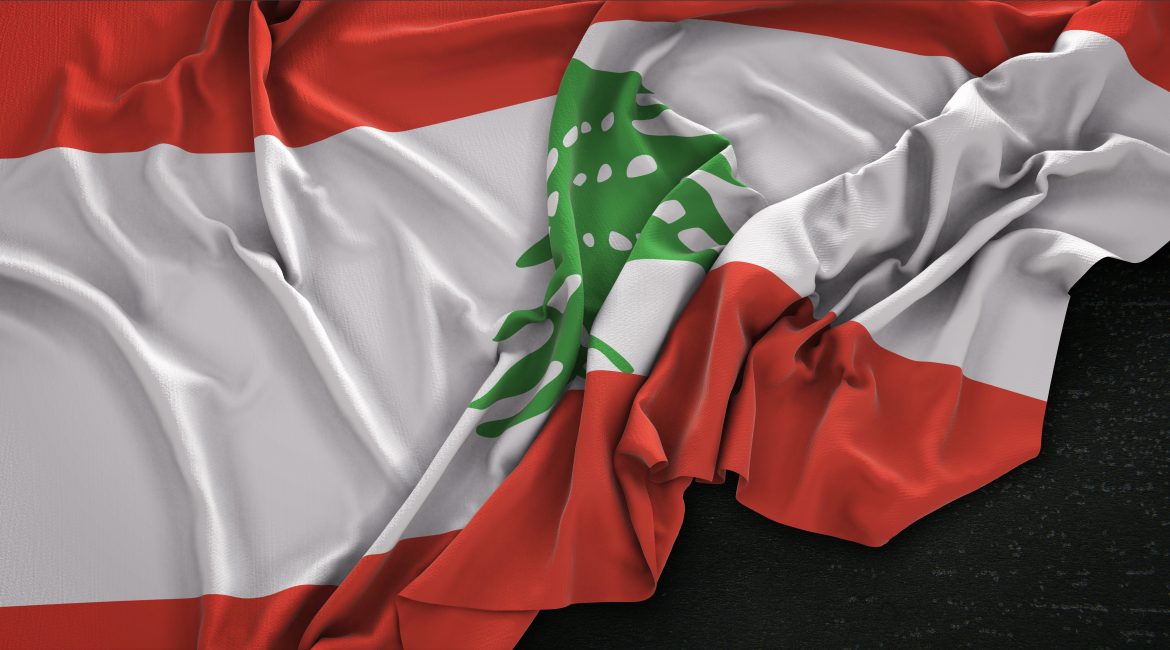
Recent political developments in Lebanon confirm that the country is passing through a unprecedented turning point, perhaps even more critical and delicate than during the era of the civil war (1975-1990), when barricades were erected and the Lebanese were divided in their conflict between external influences and internal factors of instability. The dangerous escalation witnessed in the region, from the Israeli war on Gaza to the war on Lebanon, culminating in the direct Israeli-Iranian confrontation, has significantly reshuffled the cards.
The current internal Lebanese division, despite its historical roots, carries even greater risks, as fragmentation deepens disagreements about major strategic choices that could impact Lebanon's future and even its existence as a state. The most dangerous is that this division comes at a time when feelings of anger and sorrow are accumulating among a large segment of the Lebanese population who lost their homes in the last war, and there is no indication that they will be rebuilt anytime soon.
Nowadays, the Lebanese scene is divided between two extremes: a discourse that calls for rearming and preparing to confront a situation whose elements of strength have disappeared and whose previous theories have fallen with a harsh, if not fatal, blow; and a different discourse that does not give any weight to Israeli attacks, and turns a blind eye to them as if they do not exist, or they only affect other parts of the country.
These two contradictory discourses are disastrous, by fragmenting Lebanese society and posing serious threats to the very existence of Lebanon. The widening internal divisions serve the interests of external forces attacking Lebanon most effectively. Thus, it is certainly risky to continue this strident rhetoric without providing serious and viable alternatives, while it is unacceptable to adopt a discourse of surrender and defeat, as it is equally unacceptable to expose the country to new dangers.
Between these two extremes, Lebanon remains in a situation of insecurity, while neighbouring countries forge ahead on new paths, which clearly indicate that Lebanon will be unable to keep pace in the present regional landscape. This necessitates a genuine national dialogue among the Lebanese people to determine the best course of action in addressing the perilous situation Lebanon currently faces.
Unifying the internal stance, however difficult, remains the only viable option to avoid further losses, and it is the only way to address the world with a single voice. All other options are crumbling daily in the face of this test of sovereignty.