
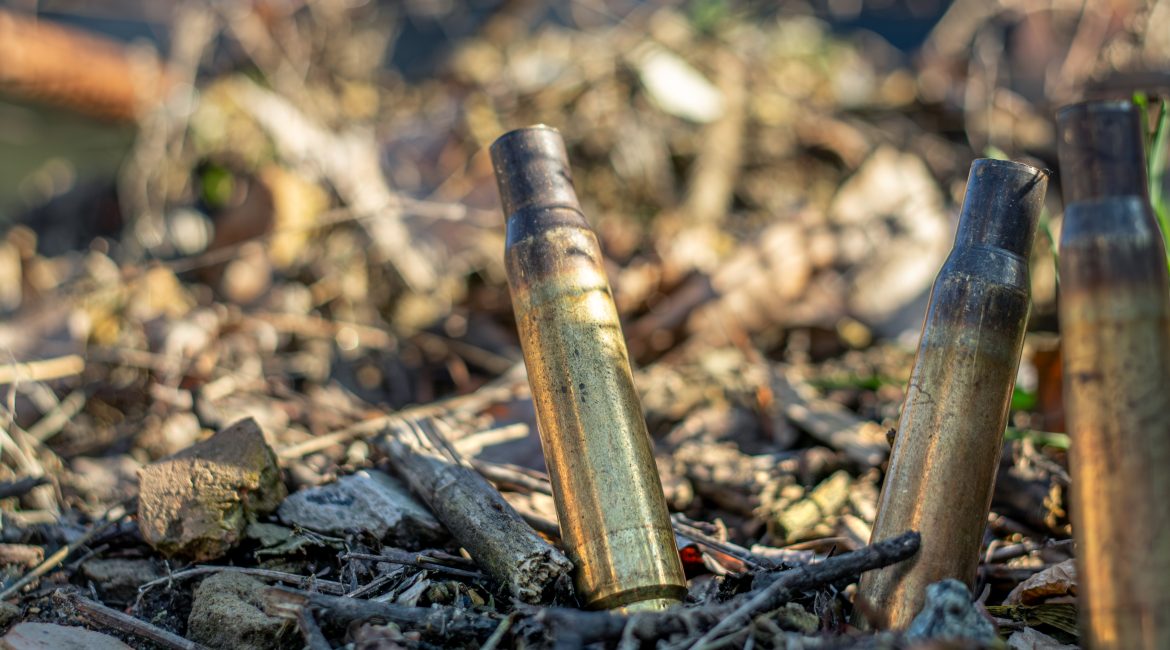
Nowadays, armed movements in the Middle East appear to be facing a moment of profound reassessment no less hazardous than their initial moments of setting up. After decades of raising the banner of resistance and presenting weapons as the only path to achieving justice or liberation, the equation that has governed these movements since the middle of the last century has reached a dead end: the legitimacy of the guns is eroding in the face of a public consciousness about the social, economic, and political costs which become a burden that no one can bear anymore.
In Palestine, Lebanon, Türkiye, Iraq, and Syria, the people have paid a heavy price in destruction, displacement, and the disruption of development, as wars have become a sustainable situation fuelled by regional conflicts more than they served national causes. With each new round of violence, the national discourse recedes in favour of agendas where foreign interests intersect with the remnants of old slogans, as some of these movements are transformed from liberation movements into political allies in global or regional arenas.
The transformations we are witnessing today, whether in the Kurdistan Workers' Party's announcement of a partial dissolution, or in Hezbollah's calls to redefine the relationship between the state and the resistance, or even in Hamas's attempts to reposition itself politically, reveal a growing awareness that the era of open arms is approaching its end, and that the new legitimacy is not derived from the gun, but from the ability to manage peace consciously and responsibly.
The Kurdish experience in Iraq during the 1960s provides an early model of this awareness. The Kurdish leader Mustafa Barzani led an armed revolution that began in 1961 in response to policies of exclusion and injustice. It was a revolution that carried a clear political project based on understanding, not revenge, and negotiation, not retaliation. In every truce, Barzani saw an opportunity to make peace, and in every negotiation, he sought an agreement that would guarantee the dignity and rights of the Kurds within a just, federal, and democratic Iraq.
This experience illuminates the crossroads at which resistance movements in the region stand today. Contemporary armed forces realize that entrenching themselves behind guns is no longer useful in a world where the balance of power and legitimacy has changed. Societies exhausted by wars no longer believe in liberation slogans if they come at the expense of bread and security, and resistance that does not turn into a building project becomes part of the problem, not the solution, as happened in the Gaza catastrophe.
What the region needs is not just physical disarmament, but the removal of the war mentality that has shaped the consciousness of entire generations with fear, hostility, and expectations. True resistance today is not only in the field, but in building a political consciousness capable of distinguishing between legitimate defence and futile adventure
Peace in the Middle East is no longer a postponed option, but an existential necessity for all its countries and components. Reality dictates that the era of open wars has ended, and that building the future requires moving from a culture of permanent resistance to a culture of conscious evaluation. There is no weakness in movements laying down their weapons, but rather weakness in remaining captive to the illusion that war alone is capable of making peace.