
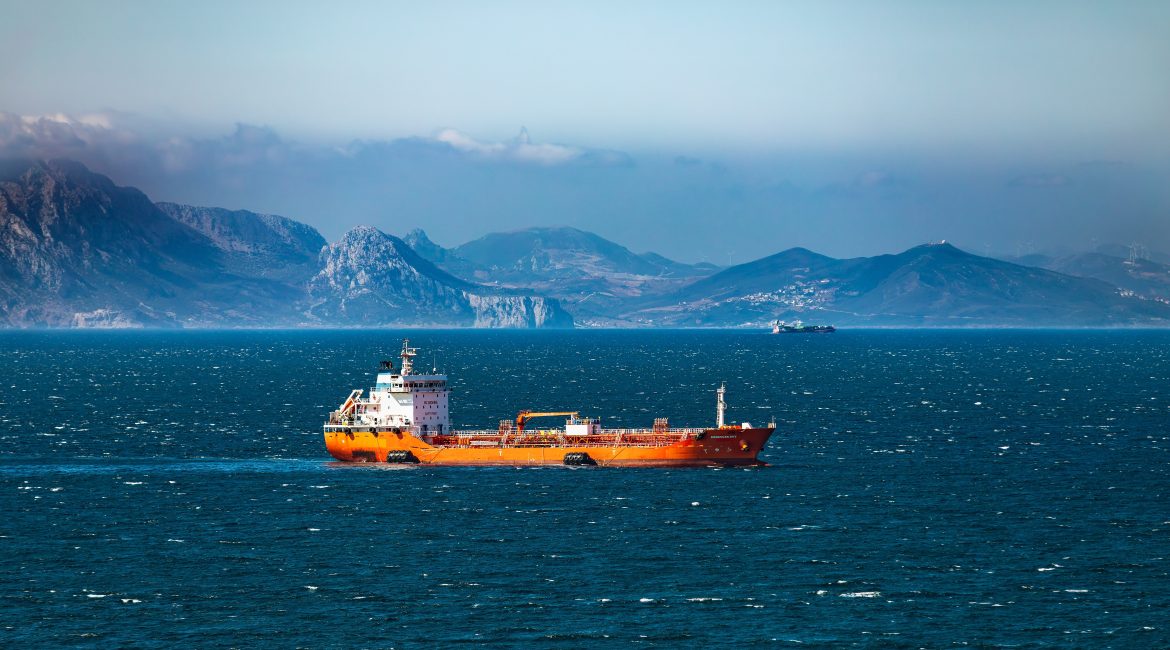
The Strait of Hormuz, which was described as the artery of the world in geographical literature, has today become the most intense maritime flashpoint, where concepts of war, economics and politics are intertwined, after the actions of the Tehran regime regarding the strait provoked global condemnation, because this is crass violation of the most basic rights of international freedom of navigation.
Nowadays, we are witnessing a major shift in the nature of international conflicts, starting with their definition, moving through the nature and duration of the conflict, its impact beyond the belligerent parties, and culminating in their costs, from human to economic and geographic. This shift is compelling in that it alters the very concept of war, where weapons are no longer measured by their destructive power, but rather by their ability to make a difference in terms of cost.
The geo-economic war is the winning card that Tehran is playing in the second wave of confrontation, in which the Strait of Hormuz has risen to the forefront of the screens, and has become the main headline of the crisis.
Today, the world is threatened by a new, deadly, and fast-acting weapon: control of supply chains. With the tensions we are witnessing around the Strait of Hormuz, it has become more potent than traditional deterrent weapons because of the direct impact of disrupting navigation and the resulting negative effects on energy, food, and technology markets.
What is even more alarming is that the militarization of key global transit points (ports and waterways) comes at a time when many countries are experiencing economic collapse and a breakdown of the state. This inevitably leads to instability, and even in countries far removed from war and its effects, there is no longer any self-sufficiency that would allow for isolation, because the world has become increasingly interconnected.
Therefore, reviving political and financial governance systems, whatever their names may be, has become an existential necessity to achieve collective security, which requires building alliances between strong, influential and active countries, to build integration, stability and development away from the gambling strategies for which the world is paying the price today.
Recent US military moves reflect an attempt to contain the situation. The US Central Command announced that two missile destroyers had crossed into the Arabian Gulf as part of a broader mission to secure the shipping lane and remove mines. The statement by the commander of the Central Command, Admiral Brad Cooper, was noteworthy, when he spoke about creating safe corridors to ensure the continued flow of goods.
Unfortunately, we are faced with an Iranian naval doctrine that was formed in 1988, when US forces destroyed a large part of its fleet during a one-day battle, and when Tehran abandoned any attempt to compete in order to replace it with building a strategy for asymmetric operations, the goal of which is to control commercial shipping. This will constitute a weakness in the smooth flow of international navigation, especially with the continuation of this doctrine based on “cost” through creating chaos.
The Strait of Hormuz is a test for the entire world to unite and break this circumstances of blackmailing. Therefore, returning to collective and institutional actions through a comprehensive alliance of concerned and affected countries, especially in cooperation with regional states, is one of the most important available solutions, far away from the pitfalls of negotiations and threats.